IT Support for Senior Living Facilities: Improving Security, Connectivity, and Resident Care
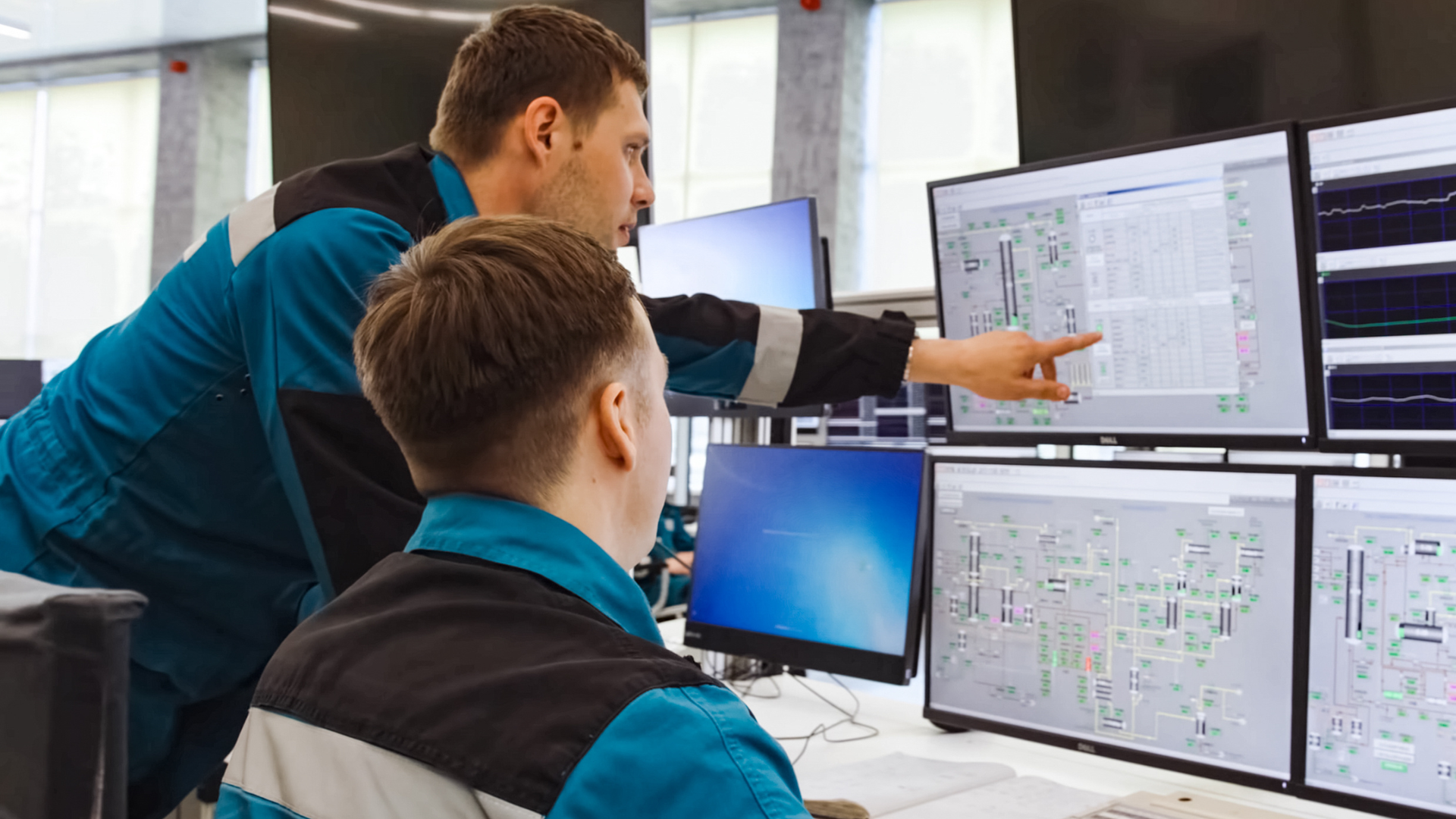
IT Support for Senior Living Facilities has become an essential component of delivering safe, efficient, and compassionate care in today’s digitally connected world. Senior living communities are no longer defined solely by physical infrastructure and caregiving staff. They now rely on interconnected systems, digital health tools, and secure communication platforms to meet the evolving expectations of residents and their families. As these facilities continue to modernize, the need for reliable and responsive IT support grows more critical than ever.
Many senior living facilities face ongoing challenges in maintaining secure networks, ensuring uninterrupted connectivity, and integrating technology into daily operations without overwhelming staff. From safeguarding sensitive resident data to supporting telehealth services, the demands on IT systems are both complex and constant. Any lapse in performance or security can directly impact the resident's well-being and organizational trust.
This blog explores how effective IT support enhances security, strengthens connectivity, and improves resident care. By understanding the strategic role of technology, senior living facilities can create safer environments, streamline operations, and provide a higher standard of care for every resident.
The Importance of IT Support in Senior Living Facilities
The role of technology in senior living environments has expanded significantly, making IT support a foundational element of daily operations. IT Support for Senior Living Facilities ensures that systems run smoothly, communication remains uninterrupted, and care delivery is supported by reliable digital tools. From electronic health records to facility management systems, IT infrastructure underpins nearly every aspect of modern senior care.
A well-managed IT environment allows staff to access critical information quickly, coordinate care efficiently, and respond to resident needs with confidence. It also supports communication with families, offering transparency and reassurance through secure digital platforms. In this context, IT support is not just a technical service. It is a vital contributor to quality care and operational stability.
Enhancing Operational Efficiency
Operational efficiency is a key priority for senior living facilities, where staff time and resources must be used wisely. IT support streamlines workflows by automating repetitive tasks, reducing paperwork, and minimizing the risk of human error. Digital systems for scheduling, documentation, and communication allow staff to focus more on resident interaction and less on administrative burdens.
By ensuring that systems are properly configured and maintained, IT support reduces downtime and eliminates inefficiencies that can disrupt daily routines. This creates a more organized and responsive environment, where staff can deliver care more effectively, and residents benefit from consistent, attentive service.
Securing Sensitive Resident Information and Data
Protecting sensitive data is one of the most critical responsibilities in senior living facilities. IT Support for Senior Living Facilities plays a central role in safeguarding personal, medical, and financial information from unauthorized access and cyber threats. As facilities increasingly rely on digital systems, the risk of data breaches becomes a significant concern.
Cyberattacks targeting healthcare organizations are becoming more sophisticated, often exploiting vulnerabilities in outdated systems or weak security protocols. The consequences of such breaches can be severe, including financial loss, regulatory penalties, and damage to reputation. More importantly, they can compromise the privacy and safety of residents.
Protecting Privacy and Meeting Compliance
Compliance with healthcare regulations, including HIPAA, is essential for maintaining trust and avoiding legal complications. IT support ensures that systems are designed and maintained in accordance with these standards. This includes implementing encryption, access controls, and secure data storage practices.
Regular security assessments and updates help identify potential vulnerabilities before they can be exploited. In addition, IT support teams often provide staff training on data protection practices, reducing the risk of accidental breaches. By prioritizing privacy and compliance, facilities demonstrate their commitment to protecting residents and maintaining the highest standards of care.
Connectivity Solutions for Senior Living Communities
Reliable connectivity is the backbone of modern senior living facilities. IT Support for Senior Living Facilities ensures that networks remain stable, fast, and accessible across the entire community. This is essential for enabling communication between staff, residents, and families, as well as supporting a wide range of digital services.
Strong connectivity allows staff to access real-time information, coordinate care efficiently, and respond quickly to emergencies. It also enhances the resident experience by enabling communication with loved ones through video calls and messaging platforms. In a time when social connection is increasingly important, reliable internet access plays a vital role in maintaining emotional well-being.
Telemedicine and Remote Health Monitoring
Telemedicine has become an invaluable tool in senior care, allowing residents to consult with healthcare providers without leaving the facility. IT support ensures that telehealth platforms are secure, reliable, and easy to use. This reduces the need for transportation, minimizes disruptions, and provides timely access to medical advice.
Remote health monitoring systems further enhance care by tracking vital signs and alerting staff to potential issues. These technologies rely on seamless connectivity and secure data transmission, both of which are supported by robust IT infrastructure. As a result, residents receive more proactive and personalized care.
Improving Resident Care through Technology
Technology has the power to transform the quality of care in senior living facilities. IT Support for Senior Living Facilities enables the integration of tools that enhance both safety and comfort for residents. From wearable devices to smart monitoring systems, these technologies provide valuable insights that support better decision-making.
Care teams can use real-time data to monitor health conditions, detect changes, and respond quickly to potential concerns. This proactive approach improves outcomes and reduces the likelihood of emergencies. At the same time, technology can create a more comfortable and engaging living environment, contributing to overall well-being.
Enhancing Resident Engagement with Digital Tools
Social engagement is an important aspect of quality of life for seniors. Digital tools such as virtual events, online classes, and communication platforms help residents stay connected and active. IT support ensures that these tools are accessible and user-friendly, allowing residents to participate without frustration.
By fostering connection and engagement, technology supports mental health and reduces feelings of isolation. This holistic approach to care recognizes that well-being extends beyond physical health, encompassing emotional and social needs as well.
IT Support for Facility-Wide Communication and Management
Effective communication is essential for the smooth operation of any senior living facility. IT Support for Senior Living Facilities enables seamless interaction between staff, management, residents, and families. Integrated communication systems ensure that information flows efficiently, reducing misunderstandings and improving coordination.
Management systems supported by IT infrastructure allow for better scheduling, resource allocation, and performance tracking. These tools provide valuable insights that help administrators make informed decisions and optimize operations.
Streamlining Administrative Tasks
Administrative efficiency is crucial in maintaining high standards of care. IT solutions simplify tasks such as resident tracking, maintenance requests, and reporting. By automating these processes, facilities can reduce errors and ensure that important information is always up to date.
Streamlined workflows also improve accountability and transparency, allowing management to monitor performance and address issues promptly. This contributes to a more organized and efficient environment, benefiting both staff and residents.
Choosing the Right IT Support for Senior Living Facilities
Selecting the right IT partner is a critical decision for senior living facilities. IT Support for Senior Living Facilities must be tailored to the unique challenges and requirements of the healthcare environment. A knowledgeable and experienced provider can make a significant difference in the effectiveness of technology solutions.
Facilities should look for partners who understand the complexities of healthcare regulations, data security, and operational needs. The ability to provide proactive support and customized solutions is essential for long-term success.
Evaluating IT Providers with Industry Experience
Experience in the senior living and healthcare sectors is a key factor when choosing an IT provider. Providers with industry-specific knowledge are better equipped to anticipate challenges and implement effective solutions. They understand the importance of compliance, security, and reliability in delivering quality care.
Evaluating a provider’s track record, certifications, and client feedback can provide valuable insights into their capabilities. A trusted IT partner becomes an extension of the facility’s team, supporting its mission and contributing to its success.
The Future of IT Support in Senior Living
The future of senior living is closely tied to advancements in technology. IT Support for Senior Living Facilities will continue to evolve, incorporating new tools and innovations that enhance care and efficiency. Emerging technologies such as artificial intelligence, machine learning, and the Internet of Things are expected to play a significant role in shaping the industry.
These technologies offer new opportunities for improving care delivery, optimizing operations, and enhancing resident experiences. However, they also introduce new complexities that require expert management and support.
The Role of Artificial Intelligence and Automation
Artificial intelligence has the potential to revolutionize senior care by enabling predictive analytics and personalized treatment plans. Automated systems can analyze data to identify trends, anticipate needs, and support decision-making.
IT support ensures that these advanced tools are implemented securely and effectively. By embracing innovation, senior living facilities can stay ahead of industry trends and continue to provide high-quality care in an increasingly digital world.
Conclusion
IT Support for Senior Living Facilities is a vital investment in the safety, efficiency, and quality of care provided to residents. By strengthening security, improving connectivity, and enabling the use of advanced technologies, reliable IT support helps facilities meet the complex demands of modern senior care.
As technology continues to evolve, partnering with an experienced and purpose-driven provider becomes essential. The Walker Group offers tailored IT solutions designed to support senior living facilities in delivering secure, efficient, and compassionate care. Reach out today to learn how your organization can enhance operations and improve resident experiences through expert IT support.
WE ARE PROUD TO BE
More Recent News