What Kind of IT Support Do Nonprofits in Central Connecticut Really Need to Keep Donor Data Safe?
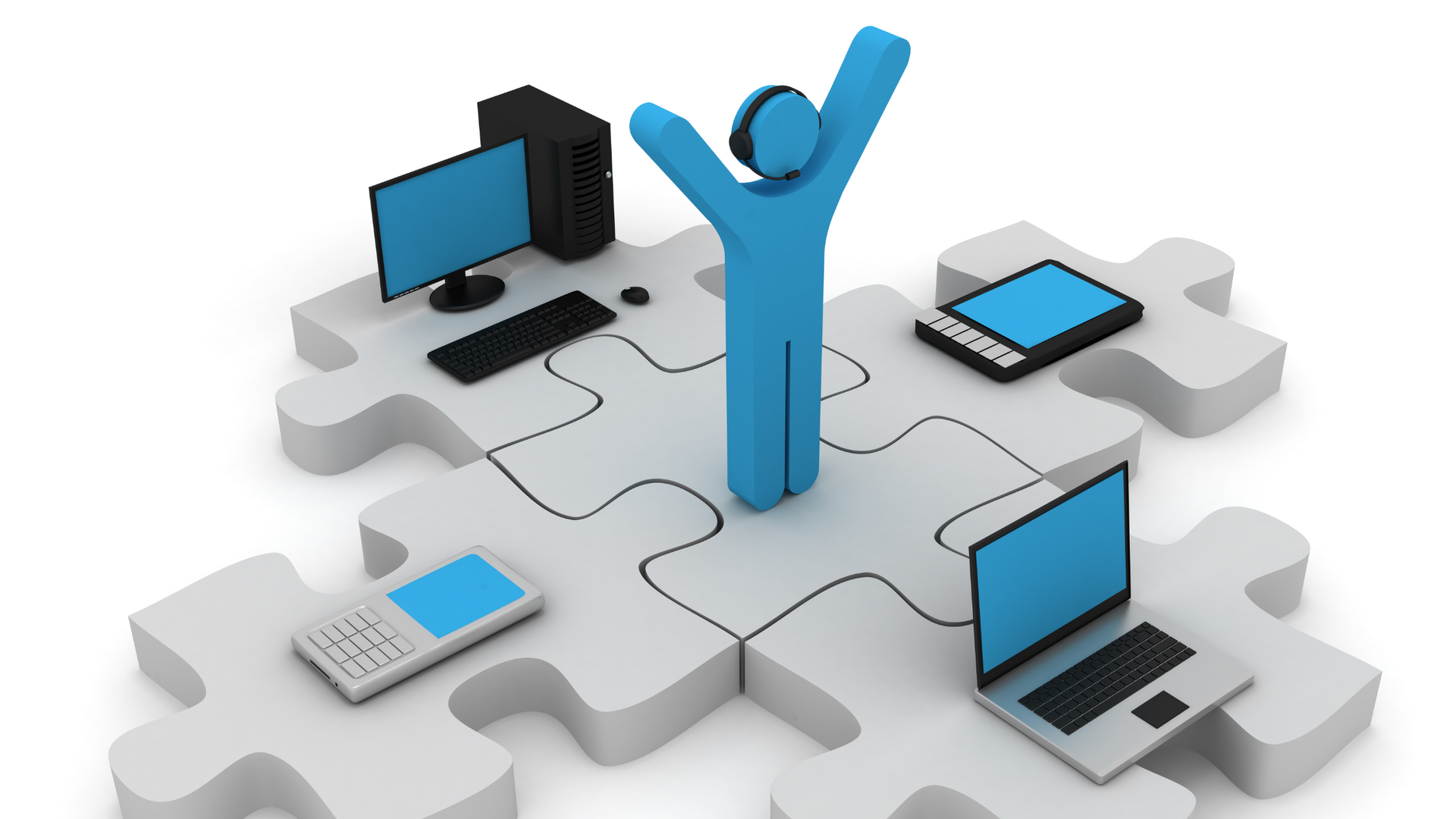
Donors trust nonprofits with more than their money. They hand over names, addresses, payment details, and sometimes deeply personal information, and a single leak can break that trust for good. That is why the right IT support for nonprofits in Central Connecticut has to start with one question above all others: how do we keep donor data safe on a budget that was never built for it?
The risk is not hypothetical. According to the 2025 Nonprofit Tech for Good Report, 27% of nonprofits worldwide have fallen victim to a cyberattack (see the nonprofit cybersecurity statistics), and many of those incidents trace back to outdated systems and limited training. For a mission-driven organization, the damage goes well beyond IT.
Why nonprofits face outsized data risks
Nonprofits make appealing targets for a few reasons that have nothing to do with their size. They hold valuable donor and beneficiary records, they often run on lean budgets that push security down the priority list, and they rely on a rotating mix of staff and volunteers who may use personal devices and shared logins.
Each of those realities widens the attack surface. A volunteer who uses a personal laptop, a staff member who reuses a password, a donor database that has not been updated in years, any one of them can become the way in. Attackers know that a nonprofit often has the kind of data worth stealing without the layered defenses a corporation would have. That combination is exactly what makes them a target.
There is a perception problem working against them, too. Because nonprofits are mission-driven and community-minded, leaders sometimes assume no one would target an organization doing good work. Attackers do not share that sentiment. To an automated scan, a food bank and a financial firm look like the same thing: a network with a way in and data worth taking. Recognizing that hard truth early is often the first real step toward taking protection seriously.
The IT support nonprofits actually need
The good news is that protecting donor data does not require an enterprise budget. It requires the right essentials, handled well and consistently.
At a minimum, that means reliable managed IT and a responsive helpdesk so problems get solved without an in-house team, strong data protection with backups and access controls around donor records, and ongoing security awareness training for everyone who touches the systems, staff and volunteers alike. Specialized IT support for nonprofits understands the sector's quirks, the grant cycles, the volunteer turnover, and the tight margins, and builds protection that fits how these organizations actually operate.
Stretching a nonprofit technology budget
Budget is the constant pressure, so smart nonprofits make every dollar work. A few approaches help the most.
Grant funding and nonprofit pricing can bring strong tools within reach, since many major vendors offer steep discounts to registered organizations. Cloud-based systems lower hardware costs and reduce the burden of maintaining aging equipment on-site. And the most effective strategy of all is prioritizing, protecting the most sensitive data first, then building outward as funding allows. A focused managed IT service for nonprofits can help you sequence those investments so the highest risks get covered first and nothing essential waits in line behind a nice-to-have.
Compliance and donor trust go hand in hand.
Keeping donor data safe is not only good practice, but it is increasingly a legal obligation. Organizations that process card payments fall under payment security standards, and most states require timely notification if personal data is exposed. Falling short carries real consequences, both financial and reputational.
Beyond the rules, strong security is what sustains donor confidence. People give to organizations they trust, and nothing erodes trust faster than a letter explaining that their information was compromised. A security assessment gives a nonprofit a clear view of where it stands and what to fix, which protects both the data and the relationships the mission depends on. For broader coverage, partnering with a team that also provides full cybersecurity services ensures the protection grows with the organization.
A practical starting point for nonprofits
For a nonprofit starting almost from scratch, the path to better security can feel overwhelming. It helps to break it into a sensible order, protecting the essentials first and building from there.
Begin with the basics that block the most common attacks. Turn on multi-factor authentication everywhere it is offered, since it stops the majority of credential-based intrusions on its own. Make sure donor data is backed up, and that someone has actually tested a restore rather than assuming it works. Give each person access only to what their role requires, and remove that access the day they leave.
Next, address the human layer with regular, brief training, since most incidents start with a person rather than a machine. Then formalize the simple things: a written policy for handling donor data, a basic plan for what to do if something goes wrong, and a schedule for keeping software updated. None of this requires a large budget. It requires consistency and a partner who can help a lean team stay on track without turning security into a second job.
It also helps to revisit the plan as the organization grows. A nonprofit that adds a new fundraising platform, opens a second location, or takes on a large grant has quietly changed its risk picture, and the protections that fit last year may leave gaps this year. A short annual review keeps security in step with the mission rather than frozen at the moment it was first set up.
Turning security into a story donors trust
Security is often framed as a cost, but for a nonprofit, it is also part of the relationship with donors. People give to organizations they trust to be careful stewards, and how you protect their information is part of that stewardship.
That trust can be communicated. A short, honest note about the steps you take to safeguard donor data, the encryption, the training, and the careful handling, reassures supporters and sets you apart from organizations that stay silent until something goes wrong. Donors rarely expect perfection, but they do expect diligence.
Handled this way, good security stops being purely defensive and becomes part of how a nonprofit earns and keeps confidence. The same controls that protect a database also protect a reputation, and for a mission that depends on community support, those two things are inseparable. Investing in protection is, in the end, investing in the relationships that make the work possible.
Protecting the mission, not just the data.
The right IT support for nonprofits in Central Connecticut keeps donor data safe, stretches limited budgets, and protects the trust that every mission ultimately runs on. It does not take a corporate IT department to get there. It takes the right essentials, prioritized sensibly, and a partner who understands what is at stake when resources are tight and expectations are high.
For a nonprofit, technology that works quietly in the background is technology doing its job, freeing staff and volunteers to focus on the people they serve.
Partner with a team that shares your mission
The Walker Group has a long history of supporting Connecticut nonprofits and shares their mission-first outlook as an employee-steward social enterprise and a registered B Corp. That perspective shapes how the team approaches IT support for nonprofits, with practical, budget-aware solutions rather than oversized systems. To talk through a technology plan that fits your organization, reach out to the team.
Frequently asked questions
Do small nonprofits really need managed IT support?
Yes. Smaller nonprofits are often the most exposed, since they hold sensitive data but rarely have dedicated IT staff. Managed support gives them professional monitoring, maintenance, and protection without the cost of hiring in-house.
How can a nonprofit afford strong cybersecurity?
Through a mix of nonprofit pricing, grant funding, cloud tools that cut hardware costs, and smart prioritizing that protects the most sensitive data first. Good security is more about doing the right things consistently than about spending the most money.
What is the single biggest data risk for nonprofits?
Human error, usually through phishing. Because most incidents trace back to a person clicking something they should not have, regular security awareness training for staff and volunteers is one of the highest-value protections a nonprofit can put in place.
Are there technology discounts available for nonprofits?
Yes. Many major software and security vendors offer significant discounts or donated licenses to registered nonprofits, which puts strong tools within reach of a limited budget. A knowledgeable provider can help you find and apply them.
How do we keep donor data safe when staff and volunteers change often?
Use clear access controls so people can reach only what their role requires, remove access promptly when someone leaves, and train every new person on security basics. Consistent processes matter more than any single tool when turnover is high.
WE ARE PROUD TO BE
More Recent News